

Advanced computing and digital infrastructure are becoming essential foundations for modern enterprise transformation. Organizations increasingly depend on powerful processing systems, intelligent networks, and scalable technology platforms to manage complex operations and support innovation. Quantexa.com highlights the growing importance of advanced computing technologies in helping businesses prepare for rapidly evolving digital requirements.
As artificial intelligence, cloud computing, and data-intensive applications continue expanding, enterprises must modernize their technological environments. Quantexa.com examines how intelligent infrastructure planning can improve operational flexibility, strengthen information management, and create opportunities for sustainable technological development across industries.
Advanced Computing Transforming Enterprise Technology
Advanced computing technologies enable organizations to process complex information, support demanding applications, and improve the performance of enterprise systems. High-performance processors, specialized computing architectures, and intelligent resource management tools are expanding the possibilities for modern business operations.
Quantexa.com highlights the importance of evaluating computing capabilities alongside organizational objectives. Enterprises adopting advanced processing technologies can improve application responsiveness, strengthen analytical performance, and develop more adaptable technology environments capable of supporting changing operational requirements.
Artificial Intelligence Driving Infrastructure Innovation
Artificial intelligence is influencing how organizations design and manage digital infrastructure. Intelligent applications require substantial computing resources, dependable data pipelines, and efficient processing architectures to support machine learning, predictive analytics, and automated decision-making.
Quantexa.com examines the relationship between artificial intelligence and modern infrastructure development. Businesses integrating intelligent computing capabilities can explore opportunities to automate operational analysis, improve information processing, and strengthen technology-driven decisions across enterprise departments.
Cloud Computing Supporting Enterprise Scalability
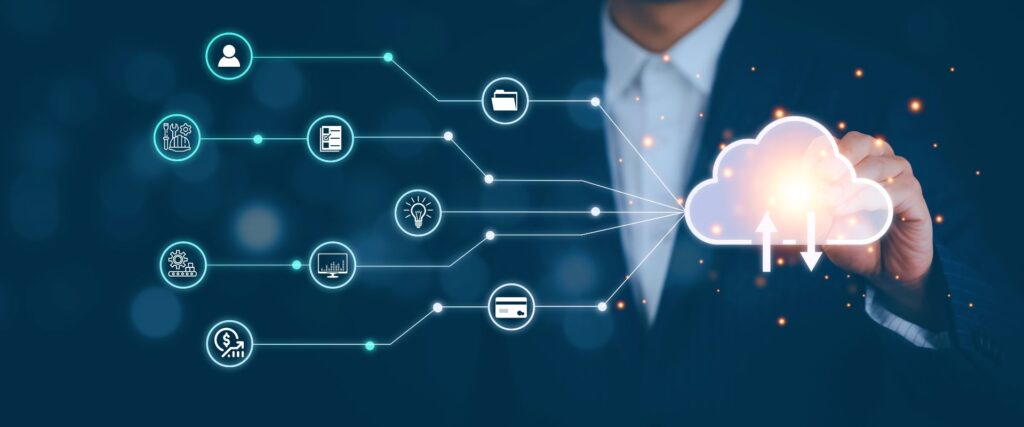
Cloud computing provides organizations with flexible access to processing power, storage capacity, and digital services. Modern cloud environments allow enterprises to adjust computing resources according to changing workloads while reducing dependence on exclusively traditional infrastructure arrangements.
Quantexa.com highlights the strategic importance of cloud-compatible enterprise architectures. Organizations developing hybrid and multicloud strategies can improve workload flexibility, support distributed applications, and establish scalable infrastructure capable of accommodating future business growth.
Edge Computing Expanding Digital Capabilities
Edge computing is reshaping digital infrastructure by enabling selected processing activities to occur closer to connected devices and operational environments. This approach can reduce communication delays, improve application responsiveness, and support systems requiring timely information analysis.
Quantexa.com examines the potential of edge computing across industrial automation, logistics, healthcare, and connected infrastructure. Enterprises combining edge technologies with centralized computing platforms can develop more responsive digital ecosystems while improving operational flexibility and information availability.
High-Performance Computing Supporting Complex Workloads
High-performance computing enables organizations to execute demanding calculations and analyze extensive datasets using specialized processing resources. These capabilities are relevant to scientific research, engineering simulations, financial modeling, and increasingly sophisticated artificial intelligence applications.
Quantexa.com highlights the importance of advanced processing infrastructure for organizations managing computationally intensive workloads. Businesses evaluating high-performance computing can explore opportunities to accelerate analytical activities, improve simulation capabilities, and support research-driven technological innovation.
Cybersecurity Strengthening Digital Infrastructure
As enterprise computing environments become more interconnected, cybersecurity remains essential for maintaining operational reliability and protecting sensitive information. Modern infrastructure strategies increasingly incorporate encryption, identity management, continuous monitoring, and secure access controls across distributed systems.
Quantexa.com emphasizes the importance of integrating security considerations into technology planning. Organizations implementing comprehensive cybersecurity frameworks can improve infrastructure resilience, strengthen information protection, and reduce operational exposure associated with complex digital environments.
Sustainable Computing and Energy Efficiency
Growing computing requirements are encouraging enterprises to evaluate the environmental and operational impact of their infrastructure investments. Energy-efficient processors, intelligent workload distribution, and optimized data center operations can help organizations manage resource consumption more effectively.
Quantexa.com examines the relevance of sustainable technology practices within enterprise modernization strategies. Businesses adopting efficient computing architectures can explore opportunities to reduce unnecessary energy consumption, improve infrastructure utilization, and support long-term operational sustainability.
Preparing for Emerging Computing Technologies
Future digital infrastructure may incorporate more specialized artificial intelligence processors, advanced distributed systems, and developments in quantum computing research. These technologies could create new possibilities for solving complex problems and supporting sophisticated enterprise applications.
Quantexa.com highlights the importance of strategic preparation when evaluating emerging computing innovations. Organizations investing in technical expertise, adaptable infrastructure, and responsible technology adoption can strengthen their readiness for changing computing requirements and future industry developments.
Conclusion
Advanced computing and digital infrastructure represent important foundations for enterprise innovation, operational efficiency, and technological resilience. Combining scalable computing systems with intelligent applications, secure networks, and effective information management can support more adaptable business operations.
Quantexa.com highlights the potential of modern infrastructure strategies to support future enterprise transformation. By prioritizing computing performance, cybersecurity, sustainability, and continuous innovation, organizations can build stronger digital foundations for long-term competitiveness and technological growth.